
How Brazilian green coffee is graded: NY types, screens and cup
Draft · 5 min read
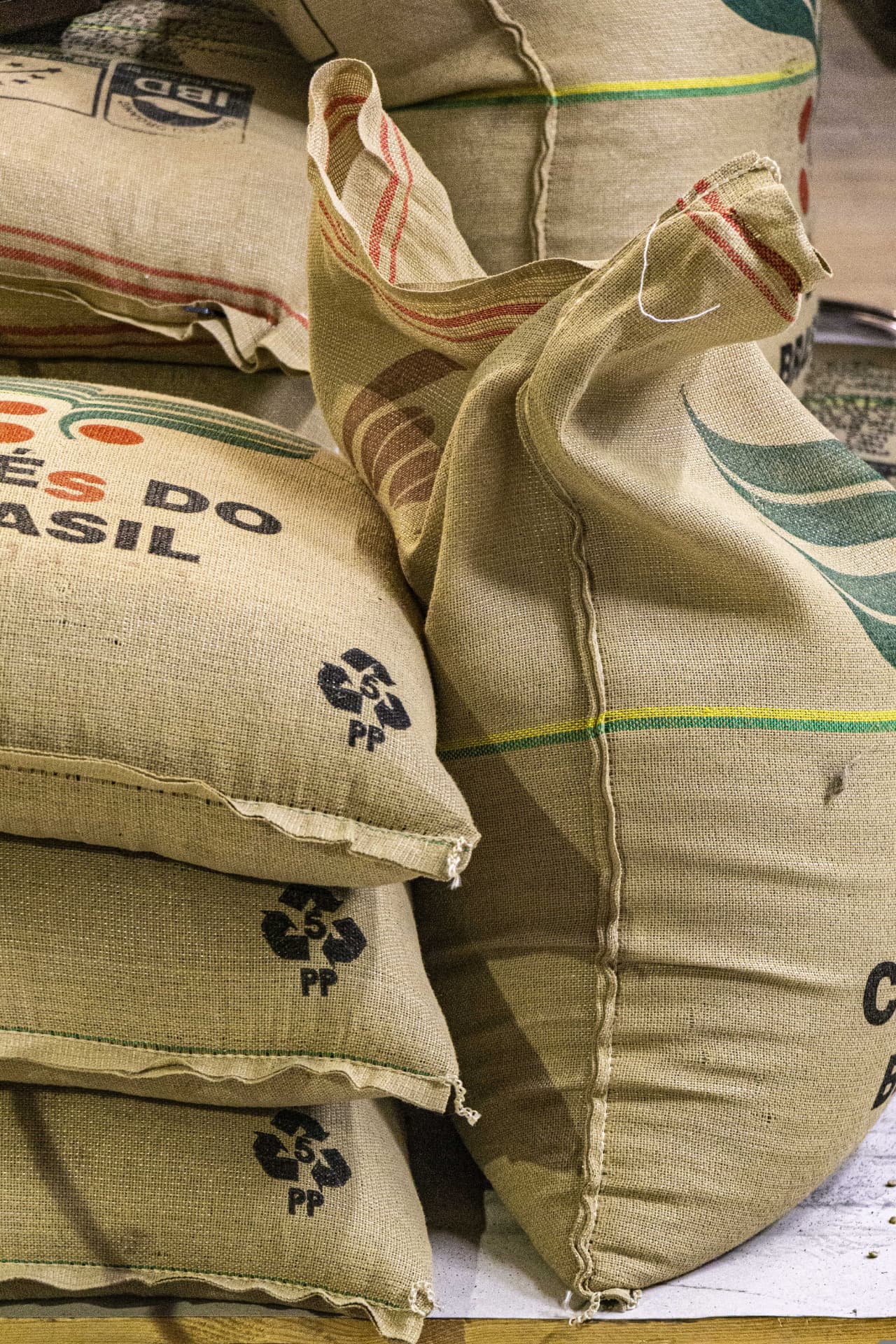
Brazilian green coffee is described by three things: its type (how many defects it has), its screen size (how big the beans are) and its cup (how it tastes). Together they tell a buyer what to expect before the first sample is roasted.
Type: counting defects
A 300 g sample is examined and each defect, such as black beans, sour beans, broken beans, husks or stones, is converted into defect points. The total gives the type, from Type 2 (cleanest) to Type 8. In export contracts this is expressed as NY 2, NY 3, NY 4 and so on, with in-between grades such as NY 2/3.
Screen: bean size
Beans are sorted through sieves with holes measured in 64ths of an inch. Screen 17/18 means beans held on screens 17 and 18; 16 up means screen 16 and larger. Uniform, larger screens roast more evenly.
Cup: from Strictly Soft to Rio
Arabica cups are classed, from cleanest to strongest, as Strictly Soft, Soft, Softish, Hard, Rioy and Rio. Trade descriptions such as Fine Cup and Good Cup are also common. Specialty lots are additionally scored on the SCA 100-point scale, with 80+ considered specialty.
Related coffee lines
Ready to source from Brazil?
Request an Offer